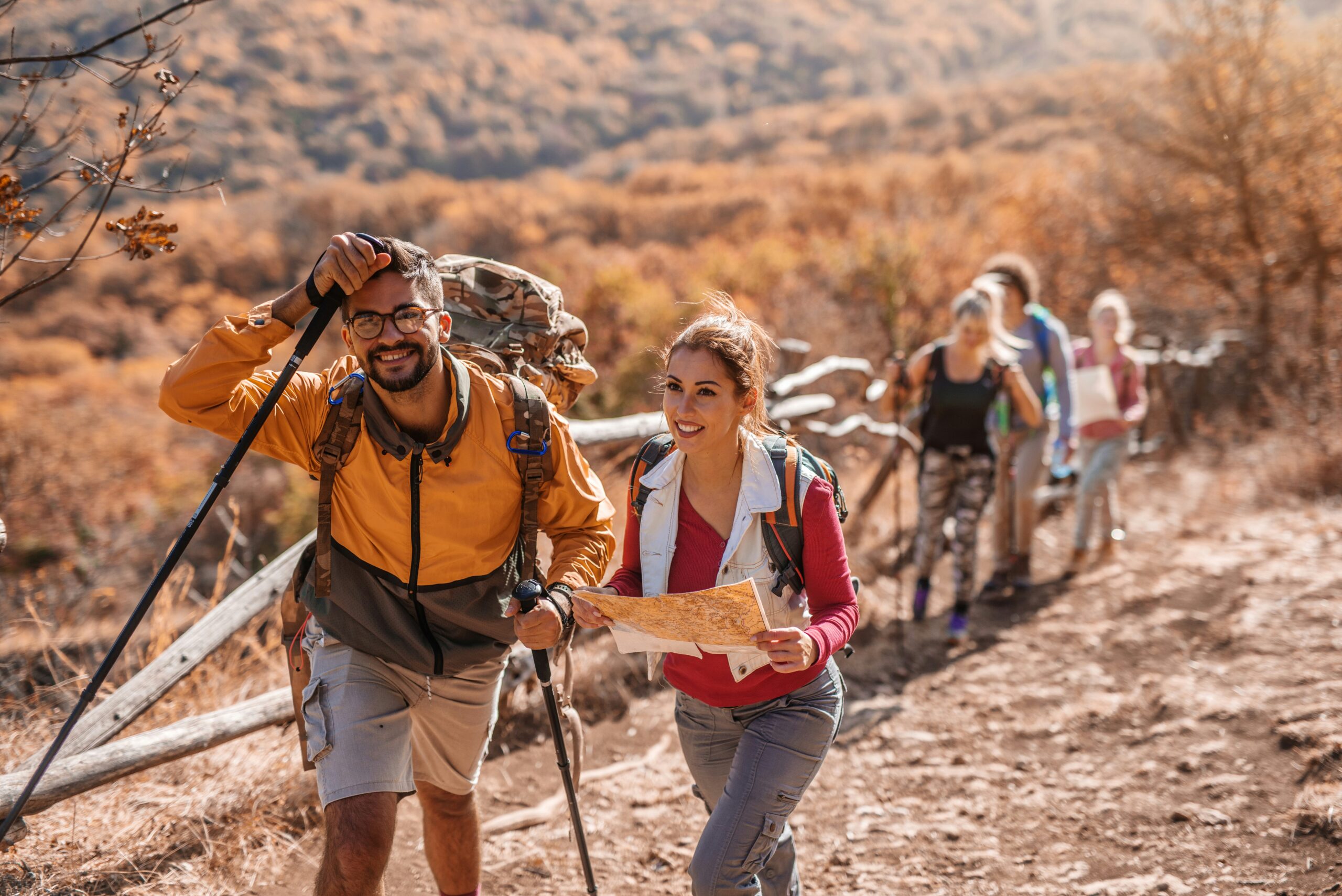
Hiking has long been seen as a way to escape the noise of daily life, reconnect with nature, and enjoy physical activity. But beyond the scenic views and fresh mountain air, hiking offers something even more meaningful: the power to strengthen relationships and build genuine teamwork. Whether you’re venturing out with close friends, family members, or colleagues, the shared experience of navigating trails can transform how people connect. Through communication, trust, patience, and problem-solving, hikers often discover new depths in their relationships—both on and off the trail.
Building Stronger Communication Through Shared Experiences
One of the most significant benefits of hiking with others is the opportunity for natural, uninterrupted communication. On a trail, there are no buzzing phones, looming deadlines, or crowded environments competing for attention. Instead, conversations flow more easily as people walk side by side, allowing deeper discussions that might not surface in day-to-day settings. The pace of hiking encourages reflection and openness, making it ideal for meaningful interaction.
Additionally, hiking requires real-time communication. Whether deciding which path to take, setting a pace comfortable for everyone, or encouraging someone who feels fatigued, group members must express their needs and listen to one another. This strengthens essential communication skills such as clarity, empathy, and active listening. Over time, these abilities translate into more effective communication outside the trail as well.
Enhancing Trust and Dependability
Trust naturally grows when people rely on each other in outdoor settings. Hiking often presents unpredictable situations—sudden weather changes, steep inclines, slippery terrain, or navigational challenges. During these moments, hikers learn to depend on one another for guidance, support, and reassurance. This shared reliance creates a sense of unity and deepens the bond between participants.
Furthermore, helping and being helped build emotional trust. When someone offers a hand during a tough climb or shares water during a long trek, these small acts of care reinforce the idea that the group is stronger together. Trust developed in nature carries forward into everyday relationships, contributing to stronger friendships, healthier family dynamics, and more collaborative professional interactions.
Learning Patience and Understanding
Every hiking group includes individuals with varying strengths, stamina, and comfort zones. Some may enjoy challenging terrain, while others prefer a slower pace. Navigating these differences teaches patience and understanding. Instead of rushing ahead, hikers learn to stay connected as a team, respecting each person’s needs and limitations.
This practice of patience fosters empathy. When individuals acknowledge others’ challenges and adjust their actions to support the group, it builds a culture of inclusiveness and thoughtfulness. These skills are invaluable in personal and workplace relationships where cooperation and compassion are essential.
Strengthening Problem-Solving and Teamwork Skills
Hiking frequently requires quick thinking and collaborative decision-making. Whether figuring out how to cross a stream, rerouting after a missed trail marker, or determining what supplies are needed, these challenges promote teamwork and creativity. Each person’s input becomes valuable, encouraging group members to consider multiple perspectives before choosing the best solution.
Working together on the trail also develops leadership qualities. Different situations may call for other leaders—one person may navigate using a map, another may set an encouraging pace, and someone else may ensure everyone stays hydrated. This fluid exchange of roles enhances respect and reinforces the idea that effective teamwork relies on shared responsibility rather than hierarchy.
Boosting Emotional Well-Being and Reducing Stress
Nature has a powerful effect on mental and emotional health. Studies consistently show that outdoor activities lower stress, improve mood, and increase feelings of happiness. When experienced with others, these benefits multiply. Sharing a beautiful view, reaching the summit together, or simply enjoying a peaceful forest trail creates memorable moments that bring people closer.
Hiking also provides a healthy outlet for releasing tension. As people walk, they often feel more comfortable expressing their feelings, discussing life challenges, or celebrating personal victories. This emotional openness nurtures stronger relationships and creates a safe space where individuals feel seen and supported.
Creating Lasting Memories and Traditions
One of the most rewarding aspects of hiking with others is creating shared memories. Whether it’s the thrill of spotting wildlife, the laughter sparked by a muddy mishap, or the pride of completing a difficult trail, these moments form stories that strengthen long-term bonds. Over time, hiking trips can evolve into cherished traditions that friends, families, or teams look forward to.
Traditions built around outdoor adventures foster a sense of belonging. When people participate in recurring hikes, they develop rituals and routines that reinforce unity. These traditions also provide something positive to anticipate, enhancing motivation and strengthening long-term connections.
Encouraging Personal Growth Within Relationships
Hiking isn’t only about team growth—it also promotes individual development that positively impacts relationships. On the trail, people push beyond their comfort zones, face new challenges, and build physical and mental resilience. As individuals become more confident and self-aware, they bring these qualities back into their relationships, contributing to healthier dynamics.
Moreover, witnessing each other’s growth strengthens appreciation and respect. Seeing a partner conquer a difficult incline or watching a friend overcome a fear of heights can be inspiring. These shared victories deepen admiration and help individuals see one another in a new, more positive light.
Hiking offers much more than physical exercise—it creates opportunities for meaningful connection, collaboration, and personal transformation. From improved communication and trust to enhanced teamwork and emotional well-being, the benefits of hiking extend far beyond the trail. Whether you’re planning a weekend adventure with loved ones or organizing a team-building outing for colleagues, hiking provides a powerful foundation for strengthening relationships and fostering unity. When people step into nature together, they return not only refreshed but also more deeply connected.